All questions in this quiz
Here is the full list of all 15 questions with answer options and explanations. Once the page loads, the interactive quiz will appear.
1. Which K-Pop group first reached #1 on the US Billboard Hot 100 in 2020?
- BTS
- TWICE
- BIGBANG
- BLACKPINK
Correct! BTS
Explanation: BTS reached #1 on the Billboard Hot 100 with 'Dynamite' in September 2020, becoming the first K-Pop group to do so.
2. What is the Korean entertainment industry that produces K-Pop called?
- Kimchi
- Chaebol
- Hallyu
- Hanbok
Correct! Hallyu
Explanation: Hallyu means 'Korean Wave' and describes the global spread of Korean culture. It encompasses K-Pop, K-Dramas, and more.
3. Which agency founded the girl group BLACKPINK?
- HYBE Corporation
- YG Entertainment
- JYP Entertainment
- SM Entertainment
Correct! YG Entertainment
Explanation: BLACKPINK was founded by YG Entertainment in 2016 and consists of four members. YG is known for hip-hop influenced K-Pop acts.
4. How many members does the K-Pop group BTS originally have?
- 5
- 7
- 4
- 9
Correct! 7
Explanation: BTS consists of seven members: RM, Jin, Suga, J-Hope, Jimin, V, and Jungkook. They debuted in 2013 under Big Hit Entertainment.
5. What does 'maknae' mean in K-Pop groups?
- The leader
- The youngest member
- The best dancer
- The main vocalist
Correct! The youngest member
Explanation: Maknae is a Korean term for the youngest member of a group. In K-Pop groups, the maknae often has a special role.
6. Which K-Pop group sang 'Gangnam Style', the first globally successful K-Pop hit?
- Wonder Girls
- Super Junior
- PSY (Solo artist)
- Girls' Generation
Correct! PSY (Solo artist)
Explanation: PSY is a Korean solo artist who became world famous in 2012 with 'Gangnam Style'. The song was the first K-Pop video to exceed one billion YouTube views.
7. What is a 'comeback' in the K-Pop industry?
- A concert tour
- The return after a scandal
- The release of new music after a break
- A group's first performance
Correct! The release of new music after a break
Explanation: A comeback in K-Pop refers to a group or artist's return with new music. K-Pop groups often have multiple comebacks per year.
8. Which K-Pop girl group is known for the hit 'DDU-DU DDU-DU'?
- ITZY
- Red Velvet
- BLACKPINK
- (G)I-DLE
Correct! BLACKPINK
Explanation: 'DDU-DU DDU-DU' was a major 2018 hit by BLACKPINK that reached international charts. The music video has over one billion views on YouTube.
9. What does 'bias' mean in K-Pop fan culture?
- The favorite member of a group
- A concert ticket
- A fanclub name
- A negative opinion
Correct! The favorite member of a group
Explanation: A 'bias' is a K-Pop fan's favorite member within a group. Fans often also have a 'bias wrecker' who captures their heart.
10. Which BTS K-Pop album won a Grammy in 2021?
- None (only nominated)
- BE
- Love Yourself: Tear
- Map of the Soul: 7
Correct! None (only nominated)
Explanation: BTS has been nominated for Grammys multiple times but hasn't won one yet. They were nominated in 2021 for 'Dynamite' but didn't win.
11. What is the dance style often used in K-Pop choreographies called?
- Ballet
- Synchronized dance
- Breakdance
- Hip-Hop
Correct! Synchronized dance
Explanation: K-Pop is famous for perfectly synchronized group dances. All members dance exactly in time and in formation.
12. Which generation of K-Pop is called the 'golden era'?
- 2nd Generation (2005-2012)
- 1st Generation (1990s)
- 3rd Generation (2012-present)
- 4th Generation (2018-present)
Correct! 2nd Generation (2005-2012)
Explanation: The 2nd Generation (2005-2012) is often called the golden era, featuring groups like BIGBANG, Girls' Generation, and Super Junior. They established many K-Pop standards.
13. What is the intensive training period before K-Pop debut called?
- Apprenticeship
- Internship
- Trainee period
- Bootcamp
Correct! Trainee period
Explanation: Trainees often train for years in singing, dancing, and other skills before debuting. This period can last 2-7 years.
14. What is the significance of lightstick colors in K-Pop?
- Each group has its own color
- They cost different amounts
- They show fans' ages
- They show seating areas
Correct! Each group has its own color
Explanation: Each K-Pop group has its own characteristic lightstick color and design. Fans use these at concerts to support their group.
15. What is 'aegyo' in the K-Pop context?
- A fanclub name
- A music genre
- Cute, childlike behavior
- A dance style
Correct! Cute, childlike behavior
Explanation: Aegyo describes cute, playful behavior that K-Pop idols often display. It includes sweet gestures, voices, and expressions.
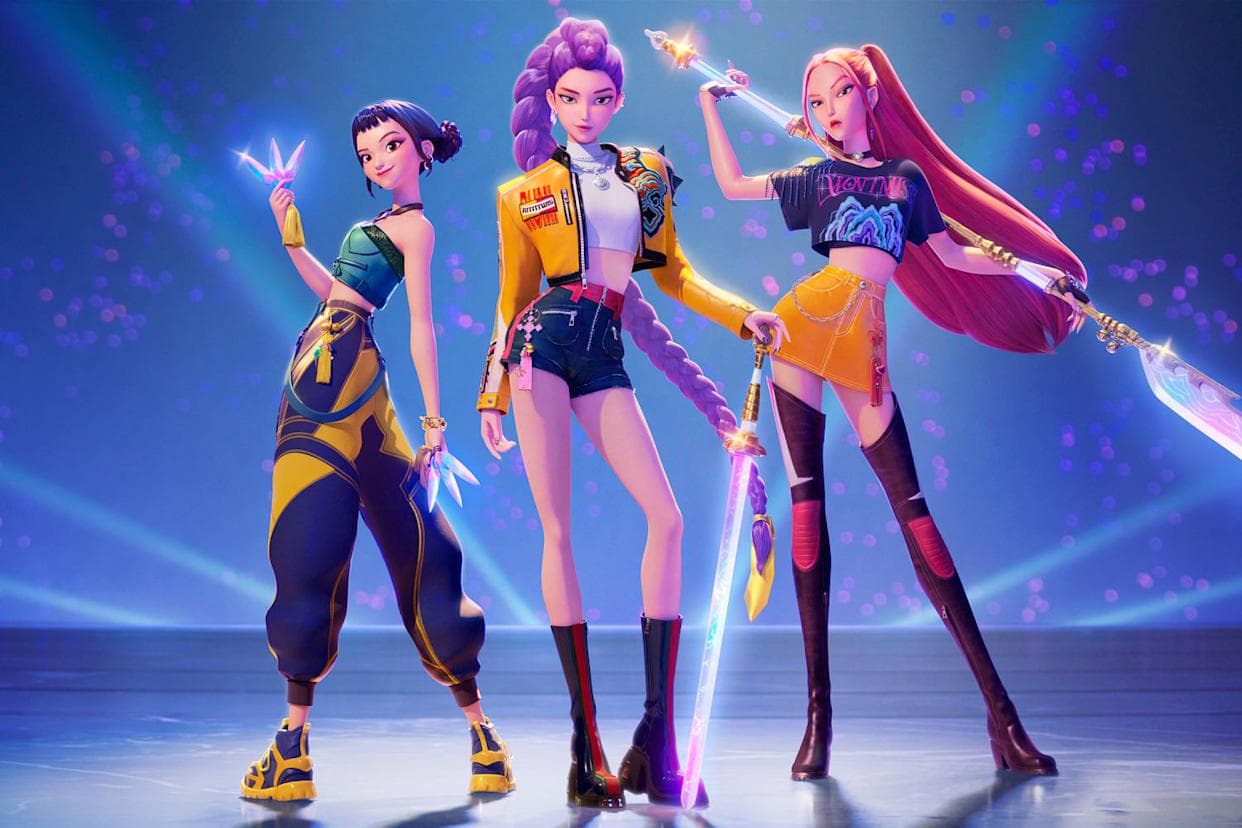
K-Pop Quiz: Korean Pop Culture
Test your knowledge of Korean pop music and its stars. From BTS to BLACKPINK - how well do you know the K-Pop world?
Which K-Pop group first reached #1 on the US Billboard Hot 100 in 2020?
The Global Phenomenon of K-Pop: Beyond Music and Dance
K-Pop has evolved from a regional music genre into a worldwide cultural movement that captivates millions of fans across continents. Our K-Pop Quiz: Korean Pop Culture takes you on a journey through this vibrant universe that combines music, visual artistry, and cultural exchange in unprecedented ways.
Korean pop music distinguishes itself through meticulously crafted performances, high-budget music videos, and the unique "idol culture" that has redefined what it means to be a pop star. Groups like BTS, who became the first K-Pop act to top the Billboard Hot 100, and BLACKPINK, who consistently break YouTube records, have paved the way for a new generation of Korean artists to achieve global recognition.
The Hallyu Wave and Cultural Impact
The term "Hallyu" refers to the Korean Wave that has swept across the globe since the late 1990s. This cultural phenomenon extends far beyond music, encompassing K-dramas, Korean cuisine, beauty products, and fashion trends. K-Pop groups often serve as cultural ambassadors, introducing Korean language and traditions to international audiences who may have never encountered Korean culture otherwise.
Major entertainment companies like SM Entertainment, YG Entertainment, and JYP Entertainment have developed sophisticated training systems that prepare future idols for years before their debut. This "trainee" culture is unique in the music industry and contributes to the exceptional versatility and professionalism that K-Pop artists display.
Generations of K-Pop and Musical Evolution
K-Pop is traditionally categorized into distinct generations, each bringing its own innovations and characteristics. The first generation emerged in the 1990s with pioneers like Seo Taiji and Boys, who introduced hip-hop elements to Korean music. The second generation brought us international sensations like BIGBANG, Girls' Generation, and Super Junior, who established many conventions still followed today.
The third generation, led by global superstars like BTS, TWICE, and Red Velvet, achieved unprecedented international success and mainstream recognition. Today's fourth generation includes groups like aespa, ITZY, and Stray Kids, who are pushing creative boundaries with virtual concepts and genre-blending music.
The Power of K-Pop Fandom Culture
K-Pop fandoms are renowned for their passion, organization, and dedication. Each group has its own fandom name and official colors used during concerts and events. ARMY (BTS fans), BLINK (BLACKPINK fans), and ONCE (TWICE fans) have demonstrated the incredible power of organized fan communities, not only in promoting their favorite artists but also in supporting charitable causes and social movements.
These fandoms have revolutionized music promotion through streaming campaigns, social media trends, and coordinated purchasing efforts that have helped K-Pop artists achieve remarkable chart positions worldwide.
Testing Your K-Pop Knowledge
Our comprehensive K-Pop Quiz: Korean Pop Culture challenges your understanding of this multifaceted entertainment industry. From recognizing iconic choreographies to identifying debut years and album names, the quiz covers the breadth and depth of K-Pop knowledge that true fans pride themselves on.
Dive into our K-Pop Quiz: Korean Pop Culture and discover how well you know the artists, songs, and cultural phenomena that have transformed the global music landscape and continue to break barriers between East and West.
More in this category
Music →

You might also like
The Drama (2025): The Big A24 Movie Quiz
Borgli, Pattinson, Zendaya, A24: how well do you really know 'The Drama'? 30 questions from easy to nerdy.
Champions League 2026 Quiz
Test your knowledge about Champions League 2026! How much do you really know?
Naruto Quiz: The World of Ninjas
Test your knowledge of the popular anime series Naruto and its characters. From jutsu techniques to hidden villages - how well do you know the ninja world?